


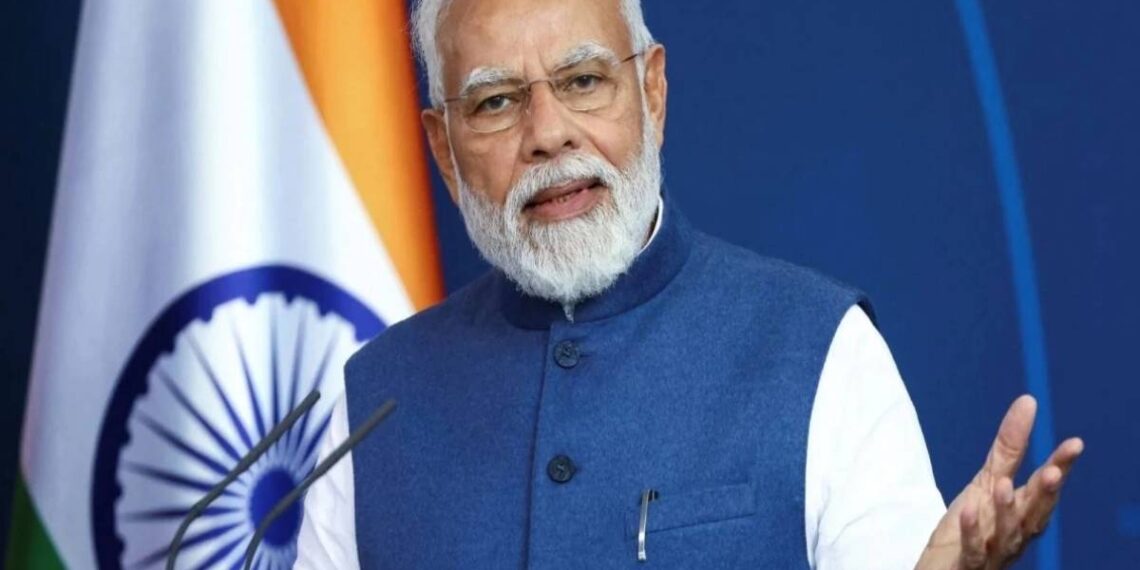
India’s Prime Minister Narendra Modi met with Qualcomm President and CEO Cristiano R. Amon in New Delhi on October 11, 2025, in a high-profile discussion aimed at accelerating collaboration on artificial intelligence (AI), semiconductor innovation, and 6G connectivity. The meeting underscored India’s strategic push to establish itself as a global technology hub and attract leading international players in cutting-edge electronics and AI development.
During the meeting, Modi lauded Qualcomm’s participation in India’s Semiconductor Mission and IndiaAI initiative, two flagship programs designed to scale domestic chip manufacturing and drive AI research. He emphasized India’s “unmatched talent pool and scale,” highlighting the country’s potential to develop transformative technologies and contribute to global digital leadership.
Amon reaffirmed Qualcomm’s commitment to India and expressed enthusiasm for deepening collaboration across multiple sectors, including AI-enabled smartphones, PCs, smart glasses, connected vehicles, and industrial automation solutions. He also pledged support for India’s transition to 6G technology, a critical step in the country’s broader digital infrastructure ambitions and next-generation wireless innovation.
The discussions come amid heightened geopolitical tension in the global technology sector, particularly between the United States and China. Qualcomm is currently under regulatory scrutiny in China over its acquisition of Israeli semiconductor firm Autotalks, raising potential antitrust concerns. Analysts suggest that India is increasingly positioning itself as a stable alternative for semiconductor and AI investments, offering policy clarity, a skilled workforce, and a rapidly growing market.
Both leaders highlighted the meeting on social media. Modi described it as a “wonderful meeting,” praising Qualcomm’s role in supporting India’s tech missions, while Amon thanked the Prime Minister for a “great conversation” and reaffirmed his company’s commitment to India’s digital transformation journey.
Industry experts say the Modi–Amon engagement signals a strategic alignment between global tech ambitions and India’s domestic policy, potentially accelerating semiconductor design, AI development, and advanced connectivity in the country. The partnership could help India emerge as a critical hub in global technology supply chains, bridging innovation with practical industrial deployment and strengthening its position in next-generation tech markets.