


India approved a ₹7,280 crore ($873 million) scheme to build the country’s first integrated manufacturing ecosystem for rare earth permanent magnets, aiming to eliminate import dependence and position itself as a global supplier of a critical technology used in electric vehicles, renewable energy systems and advanced electronics.
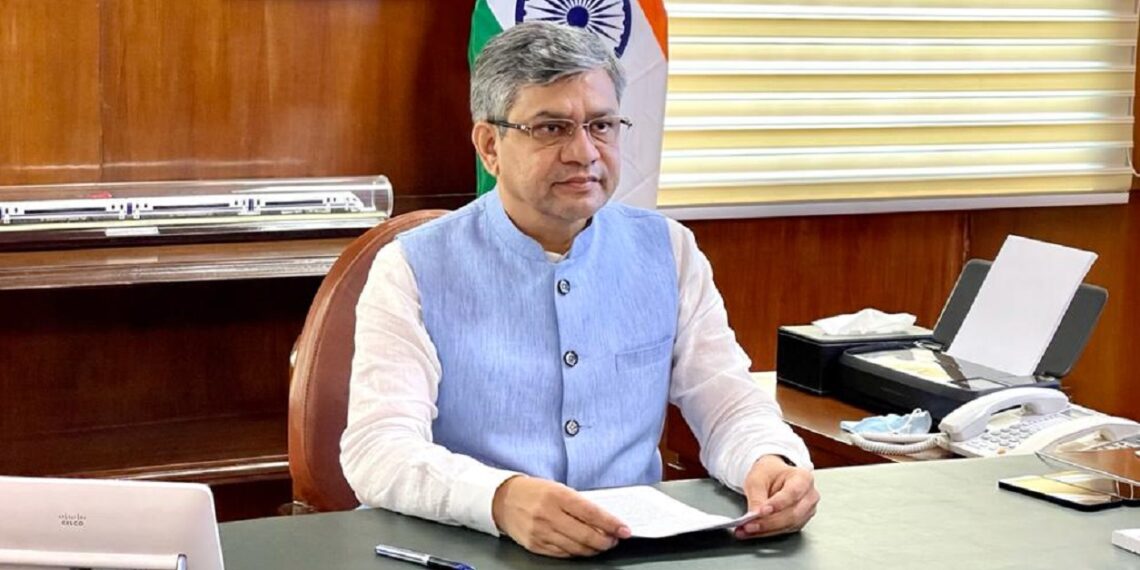
The Union Cabinet on Wednesday cleared the “Scheme to Promote Manufacturing of Sintered Rare Earth Permanent Magnets,” marking one of India’s most ambitious industrial policy moves in recent years. Addressing reporters after the meeting, Union Minister for Electronics and IT Ashwini Vaishnaw said the initiative will make India Atmanirbhar, or self-reliant, in rare earth magnets within three to four years.
“We will become Atmanirbhar within three–four years, considering that our production capacity would increase,” Vaishnaw said. “With today’s programme and its implementation, our import dependence will practically reduce to zero.”
Rare earth permanent magnets (REPMs) are among the strongest types of permanent magnets and are essential components in EV motors, wind turbines, industrial machinery, aerospace systems, defence technologies and a wide range of consumer electronics. Despite possessing some of the world’s largest rare-earth reserves, India lacks end-to-end magnet production capacity and currently imports magnets primarily from China, Japan and Australia.
The new scheme seeks to change that by supporting an integrated domestic supply chain—from converting rare earth oxides to metals, to producing alloys and finishing them into high-performance magnets. India’s REPM demand is expected to double between 2025 and 2030, driven by growth in electric mobility, renewable power installations and electronics manufacturing.
Incentives and Structure
The programme allocates ₹6,450 crore as sales-linked incentives for a period of five years and ₹750 crore as capital subsidy for setting up manufacturing facilities with a cumulative annual capacity of 6,000 metric tons. The government plans to select five beneficiaries through a global competitive bidding process, with each eligible for up to 1,200 MTPA of capacity.
The scheme will run for seven years from the date of award, including a two-year gestation period for facility construction followed by five years of incentive disbursement. Both government and private-sector companies will be allowed to participate.
“It is a very important, strategic decision,” Vaishnaw said. “The entire industry is enthusiastic about this programme because it will create resilience in manufacturing supply and value chains.”
He noted that companies from electronics, steel and automobile sectors have expressed strong interest, mirroring the surge in participation seen in India’s semiconductor incentive programme. Several global firms active in both semiconductor and permanent magnet manufacturing have also shown early engagement, he added.
Strategic Importance
India ranks among the world’s top three countries in rare-earth reserves, but has historically exported raw materials while relying on imports for value-added products like magnets. Establishing domestic magnet production is considered essential to India’s goals of energy transition, industrial competitiveness and supply chain security.
“REPM is a strategic sector, where we have to be present. Without this sector, manufacturing activities in many sectors may stop,” Vaishnaw said.
The scheme, he added, aligns with India’s long-term climate targets and industrial policy ambitions. By enabling indigenous production, the government expects the initiative to contribute to India’s Net Zero 2070 commitments and support its vision of becoming a developed economy under Viksit Bharat @2047.
Industry and Geopolitical Context
Global demand for rare earth magnets has surged as automakers accelerate electrification and governments push renewable power adoption. China currently dominates the magnet supply chain, controlling more than 90% of global production capacity. Countries including the U.S., Japan and Australia have been seeking to diversify supply sources and build secure, resilient supply chains.
India intends to collaborate with countries such as Australia and Japan under technology partnerships already in progress, Vaishnaw said. These collaborations could include joint development of ore processing technologies, refining capabilities and advanced material science.
The scheme follows growing international attention to India’s role in the rare earth ecosystem. Last year, New Delhi and Washington signed a memorandum of understanding on critical minerals, including rare earths, as part of a broader push to diversify supply chains and reduce strategic vulnerabilities.
Execution and Outlook
The government will release detailed guidelines soon, with Vaishnaw stressing that both approval and execution timelines will be rapid. The location of the five proposed units will be selected by winning bidders, based on logistical, resource and industrial parameters.
At present, India imports nearly all of its permanent magnet requirements. Once the scheme is implemented, domestic capacity could supply not only local manufacturers but also international markets, especially as industries worldwide seek alternatives to China-dependent supply chains.
“This initiative is a landmark step toward strengthening the domestic REPM manufacturing ecosystem and enhancing competitiveness in global markets,” the government said in its release. “By fostering indigenous capabilities, the scheme will secure the REPM supply chain for domestic industries and support the nation’s Net Zero 2070 commitment.”
Industry analysts say the project could reshape India’s position in advanced materials and clean-tech manufacturing, provided execution remains on schedule and global partnerships deepen.
Vaishnaw underscored that the scheme has already generated strong momentum. “We expect significant participation from industry,” he said. “This effort reflects our commitment to building a technologically self-reliant, globally competitive and sustainable industrial base.”